

A rear-end collision on I-44 leaves you with a herniated disc. Months later, the physical therapy ends and you return to work, but everything has changed. You can’t lift your grandchildren without pain. Weekend hikes with friends are impossible. The woodworking hobby that brought you peace sits abandoned in your garage. Your life looks functional from the outside, but the activities that gave it meaning are gone.
This scenario reflects the reality for many Oklahomans who suffer serious injuries in car accidents, truck crashes, slip and falls, and other incidents caused by negligence. While insurance companies focus on medical bills and lost wages, they often ignore a crucial component of your harm: loss of enjoyment of life.
Since 1973, Carr & Carr Injury Attorneys has represented Oklahoma injury victims pursuing compensation for all damages their injuries caused, including the diminished ability to engage in activities and experiences that made life worth living. Contact our Oklahoma personal injury lawyers to discuss your injury case during a free consultation.
Key Takeaways for Loss of Enjoyment of Life Claims
- Loss of enjoyment of life compensates victims for their diminished ability to engage in activities, hobbies, and experiences they enjoyed before injuries occurred
- Oklahoma law caps non-economic damages at $500,000 in most personal injury cases, $1 million for severe cases, and has no cap for intentional/malicious acts or gross negligence
- Proving loss of enjoyment of life requires substantial evidence of your lifestyle before injuries and the limitations the injuries created
- Pain and suffering compensates for physical and emotional distress, while loss of enjoyment of life specifically addresses your inability to participate in activities that previously brought meaning and satisfaction
- Oklahoma’s two-year statute of limitations for personal injury claims applies to loss of enjoyment of life damages, though exceptions exist for certain circumstances
What Is Loss of Enjoyment of Life?
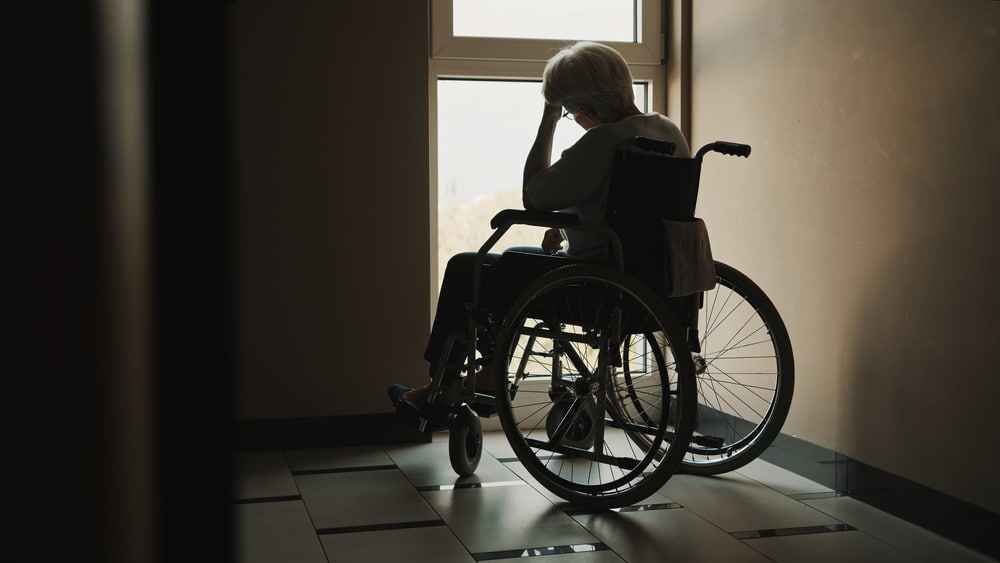
Loss of enjoyment of life, formally known as hedonic damages, refers to the diminished ability to engage in activities or experiences that brought satisfaction, meaning, and happiness to your life before injuries occurred. Oklahoma law recognizes this as a legitimate category of compensable non-economic damages in personal injury cases.
This concept addresses harm beyond medical expenses and lost income. When serious injuries prevent you from participating in hobbies, sports, social activities, family events, or intimate relationships, you’ve suffered real losses that affect your well-being and quality of life.
Oklahoma courts permit injury victims to pursue compensation for these intangible yet profoundly important damages.
Examples of Loss of Enjoyment of Life
Loss of enjoyment of life manifests differently depending on what activities and experiences mattered most to you before injuries occurred. Common examples include:
Physical Activities and Hobbies: Inability to play recreational sports, run marathons, hike through Oklahoma’s state parks, hunt or fish, garden, work on vehicles or home improvement projects, or engage in creative pursuits like painting, woodworking, or playing musical instruments.
Social and Family Activities: Missing family gatherings because chronic pain makes travel difficult, inability to participate in children’s or grandchildren’s activities, withdrawal from social circles due to mobility limitations or self-consciousness about visible scars or disabilities, and loss of intimacy with spouses or partners.
Daily Life Enjoyment: Simple pleasures like walking your dog, cooking meals, reading comfortably, or watching grandchildren play become impossible when injuries create constant pain, cognitive difficulties, or physical limitations.
Career Satisfaction: When injuries force career changes, you may lose not just income but the sense of purpose and accomplishment your work provided, particularly for those in physically demanding professions or careers requiring specific skills injuries now prevent.
Types of Injuries That Lead to Loss of Enjoyment of Life
Any injury that creates lasting limitations may support loss of enjoyment of life claims, but certain injuries particularly affect victims’ ability to engage in meaningful activities:
- Traumatic Brain Injuries: Cognitive impairments, personality changes, and memory problems preventing engagement in activities requiring concentration or social interaction
- Spinal Cord Injuries: Paralysis or reduced mobility limiting physical activities and daily tasks
- Severe Orthopedic Injuries: Broken bones, torn ligaments, and joint damage, leaving permanent limitations affecting movement and fine motor skills
- Chronic Pain Conditions: Constant pain from back injuries, nerve damage, or soft tissue injuries, making physical activities difficult or impossible
- Disfiguring Injuries and Scarring: Burns, facial injuries, and visible scars, causing withdrawal from social activities and relationships
- Psychological Trauma: PTSD, anxiety, and depression preventing normal activities and causing avoidance of triggering situations
Is Loss of Enjoyment of Life the Same as Pain and Suffering?
Loss of enjoyment of life is related to but distinct from pain and suffering damages. Oklahoma law recognizes both as separate categories of non-economic damages, though they often appear together in personal injury cases.
Pain and suffering compensates for the physical pain and emotional distress injuries cause. This includes the immediate trauma of injuries, ongoing discomfort during treatment and recovery, and emotional anguish like fear, anxiety, and depression resulting from the accident and its aftermath.
Loss of enjoyment of life specifically addresses your diminished ability to engage in activities that brought meaning and satisfaction to your existence before injuries occurred. This damage focuses on what you’ve lost—the experiences, hobbies, relationships, and simple pleasures that made your life worth living.
How Oklahoma Law Treats Loss of Enjoyment of Life Damages

Oklahoma law allows recovery of loss of enjoyment of life damages as part of non-economic damages in personal injury cases. These damages fall under Oklahoma’s general personal injury statutes that permit recovery for all harm negligence causes.
Caps on Non-Economic Damages in Most Cases
As of 2025, Oklahoma has reinstated a cap on non-economic damages. The cap is set at $500,000 in most personal injury cases, $1 million in severe cases, and no cap in cases involving intentional acts, malicious acts, or gross negligence.
Comparative Fault Impact
Oklahoma follows a modified comparative fault system. If you’re 51% or more at fault for the accident that caused your injuries, you cannot recover any damages. If you’re 50% or less at fault, you may recover damages, but compensation is reduced proportionally based on your percentage of fault.
Proving Loss of Enjoyment of Life After an Accident
Loss of enjoyment of life damages require painting a comprehensive picture of your life before and after injuries.
Document Your Life Before the Accident
Strong claims begin with evidence showing what your life was like before injuries occurred:
- Photographs and Videos: Images showing you actively engaged in hobbies, sports, social activities, and family events
- Social Media Posts: Posts and photos demonstrating regular participation in activities you can no longer enjoy
- Activity Records: Gym memberships, sports league registrations, hunting and fishing licenses, and club memberships
- Witness Statements: Friends and family describing your active lifestyle before injuries and changes they’ve observed
Your injury attorney at Carr & Carr can assist you with gathering this important evidence and present it as part of your claim package.
Provide Personal Testimony
Your testimony about how injuries have changed your life carries significant weight. Effective testimony focuses on specific examples rather than generalizations, explaining exactly what activities you can no longer perform and how those limitations affect your daily existence and relationships.
Obtain Medical Records and Expert Testimony
Medical records document specific limitations your treating physicians have identified. Restrictions like “no lifting over 10 pounds” or “limited range of motion in shoulder” provide objective evidence supporting your testimony.
Medical experts may testify about the permanence of your limitations. An orthopedic surgeon can explain why your knee injury prevents running or hiking. A neurologist can describe how your traumatic brain injury affects your concentration and ability to engage in complex activities.
Consider Psychological Evaluation
Professional psychological evaluations document the emotional and mental health impacts of your injuries and limitations. When you’ve developed depression because you can no longer engage in meaningful activities, or anxiety about social situations due to visible scarring, psychological experts provide credible testimony.
Filing a Loss of Enjoyment of Life Claim in Oklahoma

Loss of enjoyment of life damages are typically part of broader personal injury claims rather than standalone lawsuits. When you file a personal injury lawsuit in Oklahoma, your complaint seeks compensation for all damages the defendant’s negligence caused, including economic damages like medical expenses and lost wages, and non-economic damages, including pain and suffering and loss of enjoyment of life.
The Challenge of Proving Non-Economic Damages
Insurance companies routinely challenge loss of enjoyment of life claims. They may argue that injuries aren’t as severe as claimed, that limitations are temporary rather than permanent, or that claimants exaggerate their pre-injury activity levels. Without strong evidence and effective presentation, these damages are often undervalued or dismissed entirely during settlement negotiations.
Why Legal Representation Matters
Loss of enjoyment of life damages are particularly difficult to prove and value without experienced legal representation. An experienced Oklahoma personal injury attorney:
- Understands what documentation proves these claims effectively
- Knows how to combine testimony with medical evidence and witness statements into compelling narratives
- Can accurately value non-economic damages based on Oklahoma jury verdicts and settlement values in similar cases
- Negotiates from strength backed by willingness to take cases to trial
Insurance companies take claims more seriously when experienced attorneys represent injured parties. Attorneys who understand how to prove loss of enjoyment of life damages and aren’t intimidated by litigation secure better settlements than unrepresented claimants.
Contingency Fee Representation
Carr & Carr handles personal injury cases on a contingency fee basis. You pay no upfront costs, and our fees are only paid from settlement or verdict proceeds if we recover compensation for you. This arrangement allows you to pursue justice and compensation for your losses regardless of your financial situation.
FAQ for Loss of Enjoyment of Life Claims
Can You Sue for Loss of Enjoyment of Life in Oklahoma?
Yes. Oklahoma law recognizes loss of enjoyment of life as a compensable category of non-economic damages in personal injury cases. Victims may seek compensation for diminished ability to engage in activities, hobbies, and experiences they enjoyed before injuries occurred.
How Long Do I Have to File a Loss of Enjoyment of Life Claim in Oklahoma?
With few exceptions, Oklahoma law requires filing personal injury lawsuits within two years of the injury. This statute of limitations applies to all damages in your claim, including loss of enjoyment of life. Missing this deadline generally bars your claim permanently.
How Much Is Loss of Enjoyment of Life Worth in Oklahoma?
There’s no fixed formula for calculating loss of enjoyment of life damages in Oklahoma. Compensation varies significantly based on factors including injury severity, your age and life expectancy, how active you were before the accident, and the quality of evidence demonstrating your losses. An experienced Oklahoma personal injury attorney can evaluate your specific circumstances and provide realistic estimates based on similar cases and local jury verdicts.
Can Family Members Testify About My Loss of Enjoyment of Life?
Yes. Family members and friends often provide crucial testimony about your active lifestyle before injuries and the dramatic changes they’ve observed since the accident. Their perspectives help juries understand the full impact of your injuries on your quality of life.
Do I Need a Lawyer to Recover Loss of Enjoyment of Life Damages?
While not legally required, experienced legal representation significantly improves your chances of fair compensation. Loss of enjoyment of life damages are difficult to prove and value without attorneys who understand what evidence is needed, how to present these damages effectively, and how to negotiate with insurance companies that routinely try to minimize non-economic losses.
Pursuing Fair Compensation for Your Losses

Serious injuries change lives in ways that medical bills and lost wage calculations never capture. When another’s negligence takes away your ability to enjoy hobbies, participate in family activities, or find meaning in daily existence, you’ve suffered real harm that deserves real compensation.
Contact Carr & Carr Injury Attorneys to discuss your injury case. We’ll listen to what happened, review evidence of your injuries and their impact on your life, and provide an honest assessment of your legal options during a free consultation.
We’ve served Oklahoma families for five decades, and we understand how to build personal injury cases that account for the harm you’ve suffered, including the loss of life’s simple pleasures that can never be fully restored.